
First responders & local police using drones
Article: Greenville joins El Paso in integrating drones as first responders (Strategic Partnerships Inc., 30 Jan 2026)
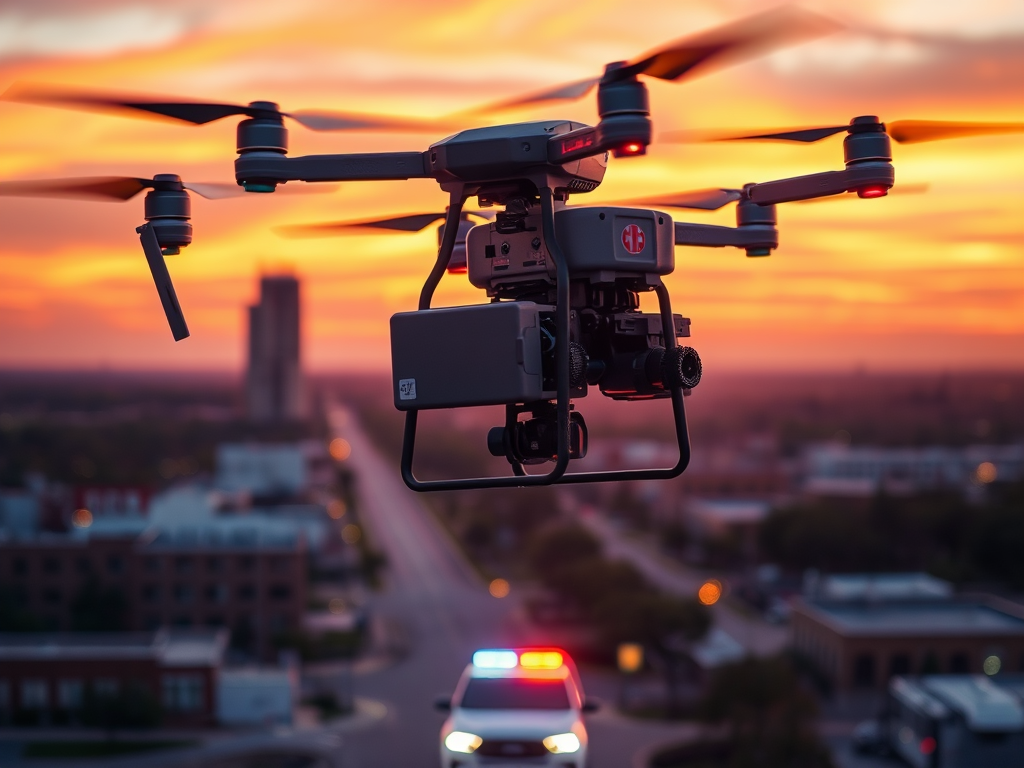
Greenville, Texas, has approved a six‑year Drone as First Responder (DFR) program modelled after El Paso’s initiative. Trained remote pilots will deploy drones from strategically placed docks to reach high‑priority calls—such as burglaries, traffic accidents, violent crimes, and searches for missing persons—before officers arrive. These drones stream live video to enhance situational awareness and can deliver lifesaving payloads like Narcan, AEDs, or Epi‑Pens. The program must follow FAA regulations and include privacy safeguards, mission‑logging requirements, and clear launch criteria. Unlike El Paso’s citywide network that also serves firefighters, Greenville’s DFR program is dedicated solely to law‑enforcement calls. Read More
Commercial companies expanding drone services in the U.S.
Article: Zipline to expand drone delivery to Houston, Phoenix with $600M raise (Flying Magazine, 22 Jan 2026)
Zipline, the world’s largest drone‑delivery provider, plans to expand into Houston and Phoenix early in 2026 after closing a $600 million funding round that values the company at $7.6 billion. The new capital will help deploy its Platform 2 home‑delivery drones across at least four new U.S. states, building on Zipline’s rapidly growing Dallas–Fort Worth operation. The company recently surpassed two million deliveries worldwide (with the second million achieved in under two years), reflecting accelerating demand. Zipline’s FAA Part 135 certification enables operations beyond visual line of sight, and its two drone systems can deliver packages weighing four or eight pounds with impressive range and energy efficiency. CEO Keller Cliffton said the funding will be used to scale autonomous logistics networks and predicted that drone deliveries will become commonplace across the U.S. Read More
U.S. politics affecting drone usage
Article: Spending bill would block DHS from arming long‑range drones (Roll Call, 26 Jan 2026)
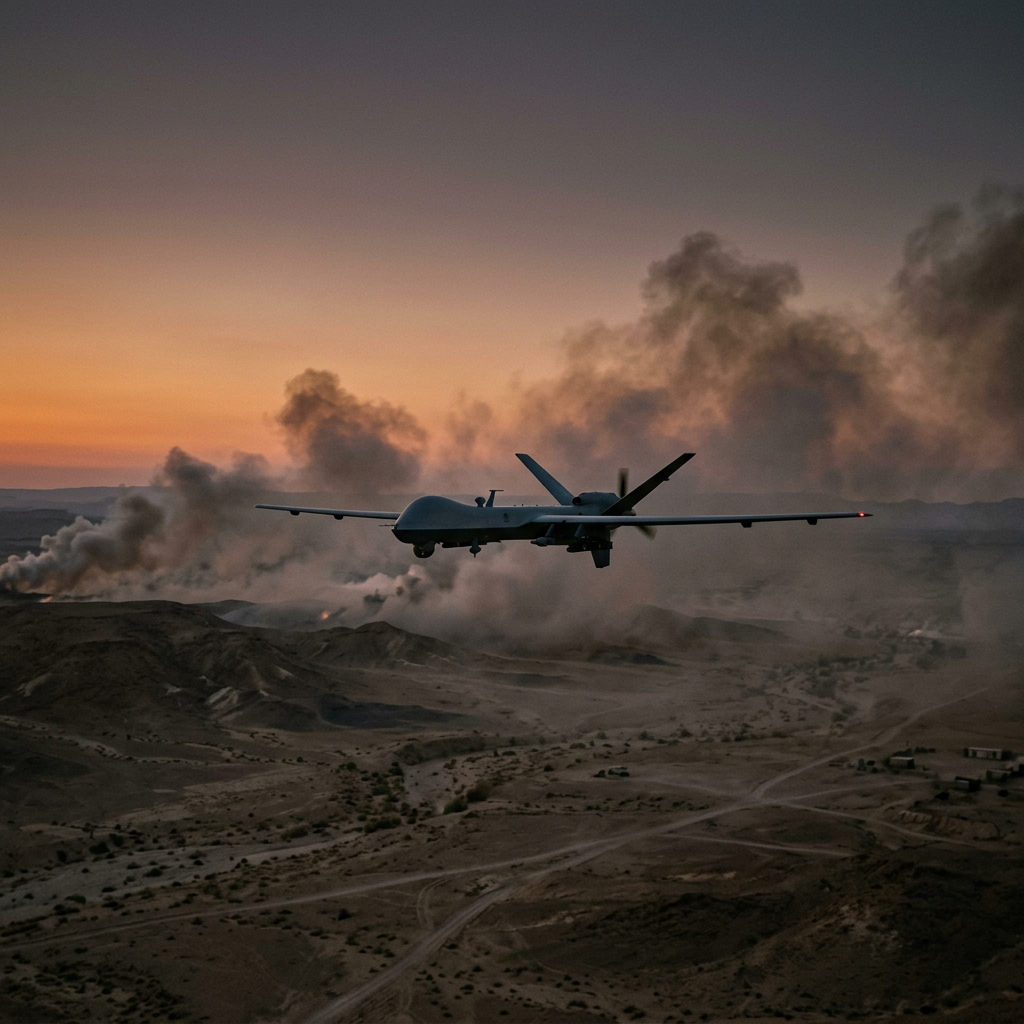
During negotiations over the 2026 Homeland Security spending bill, Congress added language that prohibits the Department of Homeland Security (DHS) and the Coast Guard from arming their long‑range MQ‑9B drones with missiles or other weapons. Lawmakers framed the provision as a response to concerns about militarizing border enforcement and to public outrage following the killing of Alex Petti by DHS personnel. The restriction would apply only to DHS funds and would not affect the broader U.S. military’s use of armed drones. Legislators suggested that even if the larger appropriations bill stalls, the anti‑arming language will likely survive in any compromise legislation. Read More




Leave a Reply